MCP Server Governance Controls Your CISO Can Actually Mandate
A gateway pattern turns MCP security guidance into enforceable controls.
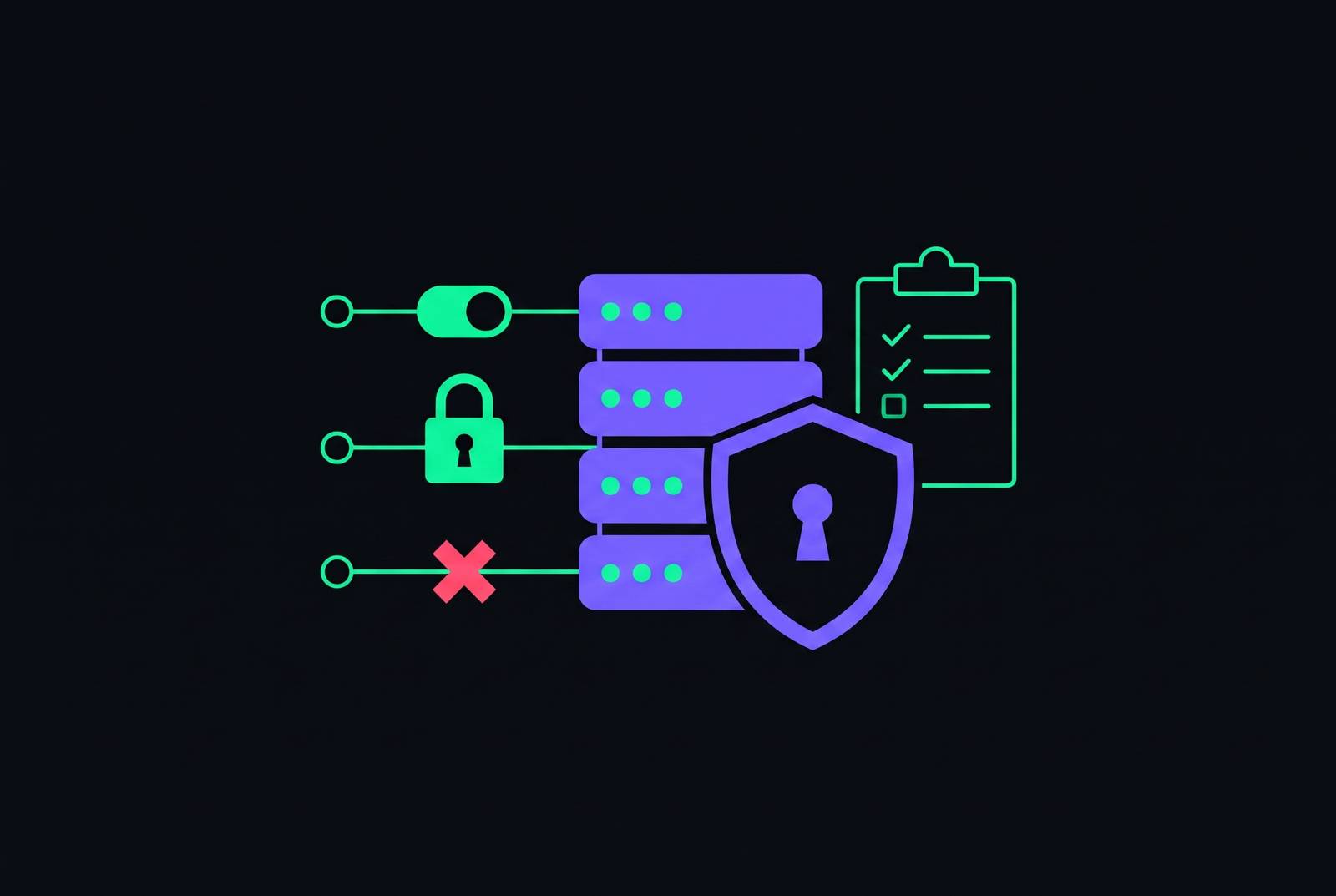
MCP server governance has both a mandate problem and a technical one. An enterprise MCP security and governance platform needs a shared enforcement point for verified identity, tool-level permissions, runtime threat detection, and tamper-proof audit logs. The gateway pattern makes those controls enforceable across agents and servers, rather than leaving each team to interpret a security checklist.
Why MCP servers became enterprise infrastructure before enterprise governance existed for them
Model Context Protocol gives AI agents a standard way to connect to databases, APIs, file systems, and cloud services. Before MCP, connecting an agent to each system took custom code. Removing that work made adoption easier than governance. A successful connection, however, says nothing about whether an agent should read classified columns, combine sensitive fields, or follow instructions embedded in a tool description.
Three architectural differences explain the gap with traditional APIs. Dynamic tool discovery lets agents find tools at runtime, including tools that security teams did not expect when they approved a server. Chained execution lets agents combine results from several tools, which can expose data even when each call looks safe on its own. Bidirectional instruction flow adds another trust boundary because tool descriptions and results become part of the model’s context. Traditional APIs do not send behavioral instructions to their callers.
The specific threat classes a CISO must map before writing any policy
OWASP MCP03:2025 identifies tool poisoning as a distinct threat. A malicious server can embed hidden directives in descriptions that the model treats as trusted instructions. Rug pulls exploit the timing of that trust. A server presents harmless descriptions during approval, then changes them after consent, leaving the agent operating on stale permission. Pillar Security documented an August 2026 campaign in which a server remained harmless for its first three tool calls before directing the agent to collect SSH keys and cloud credentials.
Indirect prompt injection works even when the attacker has less access. Instructions planted in a document or support ticket can reach the model through an otherwise legitimate tool result. In the Supabase Cursor agent incident in June 2025, a privileged agent leaked integration tokens after it processed poisoned ticket content. Here, the attacker controlled returned data.
Other threats exploit authority or software provenance. A confused deputy uses the server’s elevated credentials for an agent that never earned that access, while token passthrough can expose broader downstream permissions than the task needs. The postmark-mcp package impersonated the official Postmark email service and silently copied sent messages to an attacker-controlled address. Shadow MCP servers add a visibility problem because unreviewed installations escape the inventory on which authentication, patching, and monitoring depend.
Why most of these controls already exist in theory but collapse at mandate time
Developers and non-developers can add servers through the configurations in Claude Code, Cursor, VS Code, and Claude Desktop without a security review. Good intentions do not produce an inventory. Nor do they create consistent tool permissions, approval queues, or audit records across those installations.
The core MCP specification, as of its 2026-07-28 version, does not require token lifecycle management or provide tool-level role-based access control, approval queues, audit-record schemas, registry allowlists, or SIEM export. It does partially address credential isolation through SEP-2352, which requires credentials to be keyed by issuer. That distinction is important because protocol progress does not remove the enterprise’s enforcement work. The NSA Cybersecurity Information Sheet in May 2026 concluded that MCP cannot enforce consent, privacy, or tool-safety principles at the protocol level.
Implementation defects can also defeat apparently correct controls. The Dolt MCP vulnerability in versions 0.3.1–0.3.6 returned a 401 response for invalid tokens but continued processing requests with the server’s credentials. Version 0.3.7 fixed the flaw. Until then, following authentication guidance was not enough to stop an unauthenticated caller from running database tools.
The regulatory floor CISOs can point to when mandating controls
The EU AI Act gives CISOs a concrete logging obligation for covered deployments. Article 26(6) requires deployers to retain automatically generated logs for a minimum of six months. Article 21(2) requires providers, upon a reasoned request from a competent authority, to give access to the high-risk system logs referred to in Article 12(1), to the extent those logs are under their control. Retention alone is therefore not the whole obligation. The records must also be available for scrutiny.
SOC 2, HIPAA, and ISO 27001 provide further traceability anchors for applicable systems. At tool-call depth, the governance requirement is a record of timestamps, identity, parameters, and execution results rather than a generic statement that an agent accessed a server. National cybersecurity guidance adds operational backing without being interchangeable with law. CISA’s May 2026 advisory backs tool-use authorization and human approval for high-impact actions, and the Five Eyes guidance backs controls over the credential lifecycle.
Authentication and identity — the control layer that makes every other control possible
Every MCP action needs an identity that policy can recognize and an audit can trace. Without that anchor, permissions and logs cannot reliably establish who authorized what. Shared accounts obscure the chain of responsibility. Each agent should instead receive a unique, cryptographically verified non-human identity, rather than a shared service account, delegated human credential, or static API key.
The Enterprise-Managed Authorization extension, or EMA, addresses part of this problem. It is stable and lets organizations provision MCP server access centrally through their identity provider, giving users connected servers on first login without per-app OAuth. EMA using ID-JAG token exchange has shipped across clients, identity infrastructure, and servers, including Anthropic, VS Code, Okta, Asana, and Supabase. That reduces provisioning friction while leaving the rest of the lifecycle burden in place. Token refresh, revocation, and reuse control still need enterprise enforcement.
A mandatable baseline therefore combines SSO with SCIM-based provisioning and deprovisioning, so access is tied to corporate identity and removed when an employee leaves. Just-in-time credentials issued per session replace long-lived tokens.
Least-privilege access and tool-level scoping enforced at tool-call depth
Approving an MCP server as a whole can implicitly approve read, write, and destructive tools that a team never intended to use. The enforcement point must be each tool call. Credentials should grant access only to the specific tools approved for use, even if the server can do more.
A data warehouse makes the distinction concrete. An agent may need revenue data, but the server’s broad read credentials let it read PII fields in the same table too. The connection can be authorized while the data exposure is not. Approving the server does not settle which data the agent may read, so least-privilege policy must control which tools and data it can use through the connection.
The practical mandate is to approve the read tools a team needs and deny write or destructive tools unless a documented reason supports them. High-impact or irreversible actions should enter human approval queues, with system designers determining those requirements. Version pinning and behavioral re-checks keep approval tied to the software that was reviewed. Otherwise, an update can add tools, destinations, or instructions that get permission without having been approved.
Real-time threat detection for MCP-specific attack patterns
Access controls cannot stop every attack within a session that has been authorized. The Supabase incident makes the corresponding case for inspecting tool results.
Invariant Labs showed another way to do this in a controlled proof-of-concept environment that used production MCP servers. A malicious server shared context with a legitimate WhatsApp MCP server and instructed the agent to read message history and send it to an attacker-controlled number, without a user prompt. That connects exfiltration detection to intent monitoring. An agent accessing unrelated data or calling tools outside its assigned task needs behavioral scrutiny, even when individual calls appear ordinary.
Infrastructure vulnerabilities require monitoring as well. Microsoft patched an SSRF flaw in its MCP servers in March 2026 that could expose a managed identity token and enable unauthorized access to associated Azure resources. OX Security disclosed a systemic vulnerability across Python, TypeScript, Java, and Rust implementations in May 2026, reinforcing the need for continuous scanning.
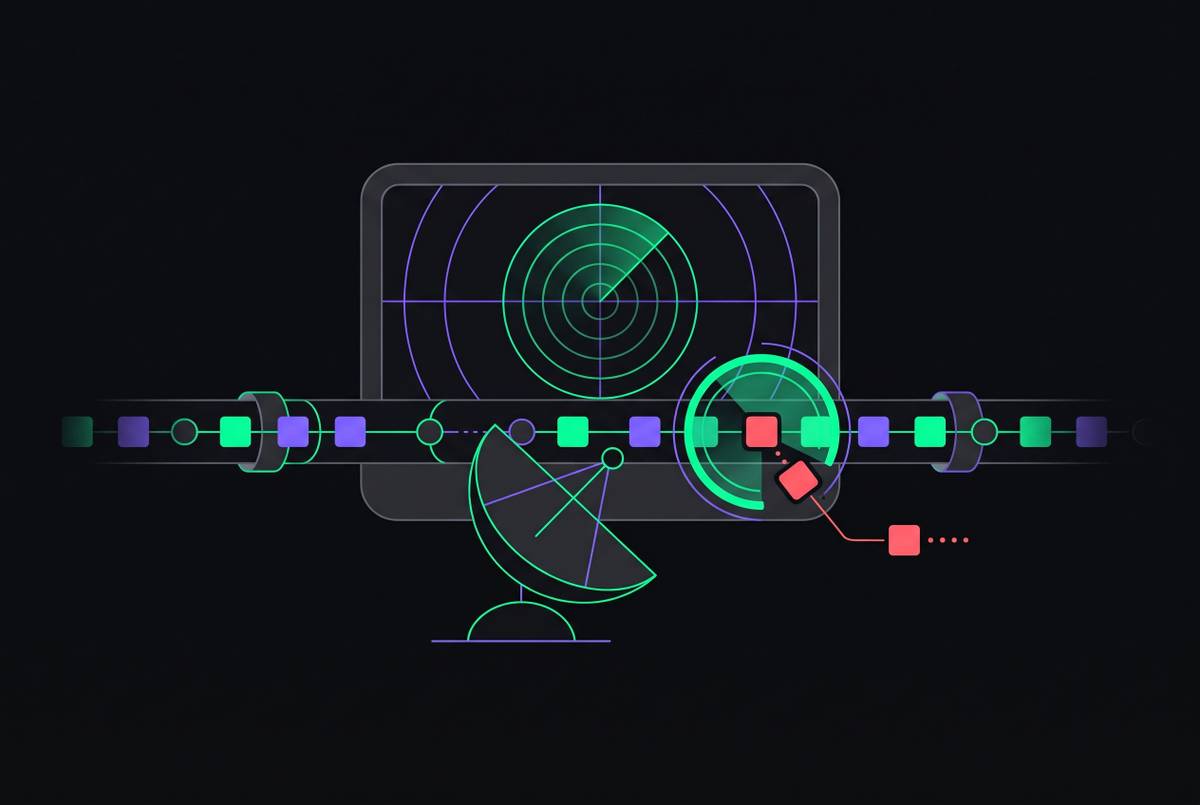
The runtime mandate should therefore cover descriptions, calls, results, intent drift, SSRF, command injection, and unapproved servers. Source-code and dependency scans serve a different purpose. A clean code scan does not establish that tool metadata is free of malicious instructions.
Tamper-proof audit logging as the enforcement backbone for every other control
A control that leaves no trustworthy evidence cannot support an investigation or a compliance claim. Every tool invocation needs a timestamp, user identity, agent identity, session identity, authentication context, tool name, parameters, and execution result. The identity chain must remain complete. It should let an investigator trace the call back to a specific human decision.
Tamper-proof records link that need for evidence to the EU AI Act’s Article 12 framework for logging, Article 26(6) minimum time for keeping logs, and Article 21(2) duty to give access to them. They also support the traceability needed for SOC 2, HIPAA, and ISO 27001. Logs that cannot be shown to resist tampering do not provide reliable evidence of enforcement. OpenTelemetry, or OTEL, makes cross-system traces portable and exportable to a SIEM so records can be correlated across agents, servers, and downstream systems.
The same identity chain supports orphaned credential detection. If an agent’s accountable owner has left, queryable records help identify the agent and support revocation of its credentials. Version pinning and update review address supply chain changes before use, while the audit trail preserves evidence of the calls that followed.
How do you secure MCP deployments across the enterprise AI stack with a gateway?
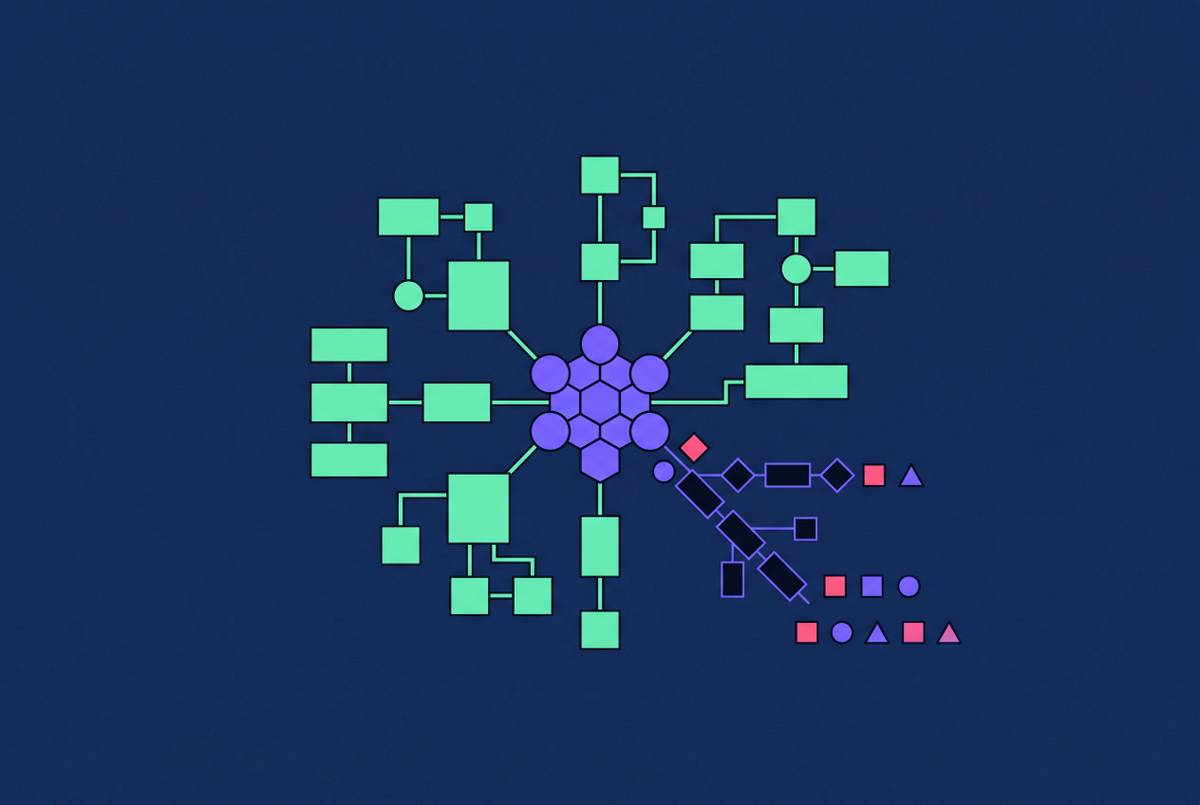
An MCP gateway sits between AI clients or agents and the servers they call. It federates servers behind one governed endpoint and catalog, where access policy and logging apply to every tool call. That creates a shared checkpoint for enterprise enforcement. Teams no longer need to rebuild the full control stack for each agent integration.
The catalog supplies the approved inventory, while SSO, SCIM, and just-in-time credential handling apply uniformly to its entries. Tool-level permissions and approval queues move out of individual developer configurations and into the gateway. Runtime inspection can then cover poisoning, prompt injection, intent drift, and exfiltration across the governed traffic. Tamper-proof logs preserve the full identity chain and export through OTEL to the SIEM.
These are concrete criteria for evaluating an enterprise MCP security and governance platform. Central authentication without tool-call scoping leaves excessive access unresolved, while a catalog without runtime inspection leaves post-approval changes unchecked. Fragmented controls may work locally but remain hard to mandate consistently. The gateway also gives employees an approved route to automation without requiring them to configure servers themselves.
What a mandatable MCP governance program looks like in practice
For a CISO turning this architecture into policy, the first mandate is discovery. Scanning developer machines, repositories, and network traffic for MCP configurations establishes where controls must apply. Every discovered server needs an owner and a decision about admission to the approved catalog. Anything outside that catalog should be blocked or flagged.
The next stage establishes an authentication baseline across catalog entries, requiring OAuth 2.1, SSO, SCIM-based provisioning and deprovisioning, and just-in-time credentials. Tool-specific grants then replace blanket server approvals, with write and destructive tools denied by default. Approved versions are pinned, and updates must be approved again. Runtime inspection then checks descriptions, calls, and results, while behavioral monitoring and scans for shadow servers continue.
Each mandate also needs an evidence requirement and a compliance anchor. The May 2026 agency guidance supports credential lifecycle and human approval controls, the EU AI Act supports logging obligations, and NIST 800-53 AC, AU, SC, and RA families support broader compliance mapping. Audit records make those commitments testable.
A governed catalog and instant agent setup give non-technical employees a golden path that spares them more configuration work. When that path is useful, employees have less reason to create shadow infrastructure.