
RBAC Design for MCP Tool Access in Regulated Enterprises
Dynamic tool discovery breaks static permission models designed for fixed resource inventories.
Colin Reyes
Five authorization models solve the problem of AI agents calling tools without human configuration.
Dynamic tool discovery breaks static permission models designed for fixed resource inventories.
Enterprises lack visibility into AI tool calls because MCP was built for convenience, not security.
Security and compliance hang on identity, credentials, and policy—not just features.
Adversarial fine-tuning can slip past Claude's Constitutional Classifiers entirely.
Annotations signal risk but don't guarantee tool behavior stays honest.
Platform engineers must rebuild identity, access.
Governance and audit trails separate production agents from prototypes.
Most MCP servers still use static keys instead of OAuth, creating widespread security risk.
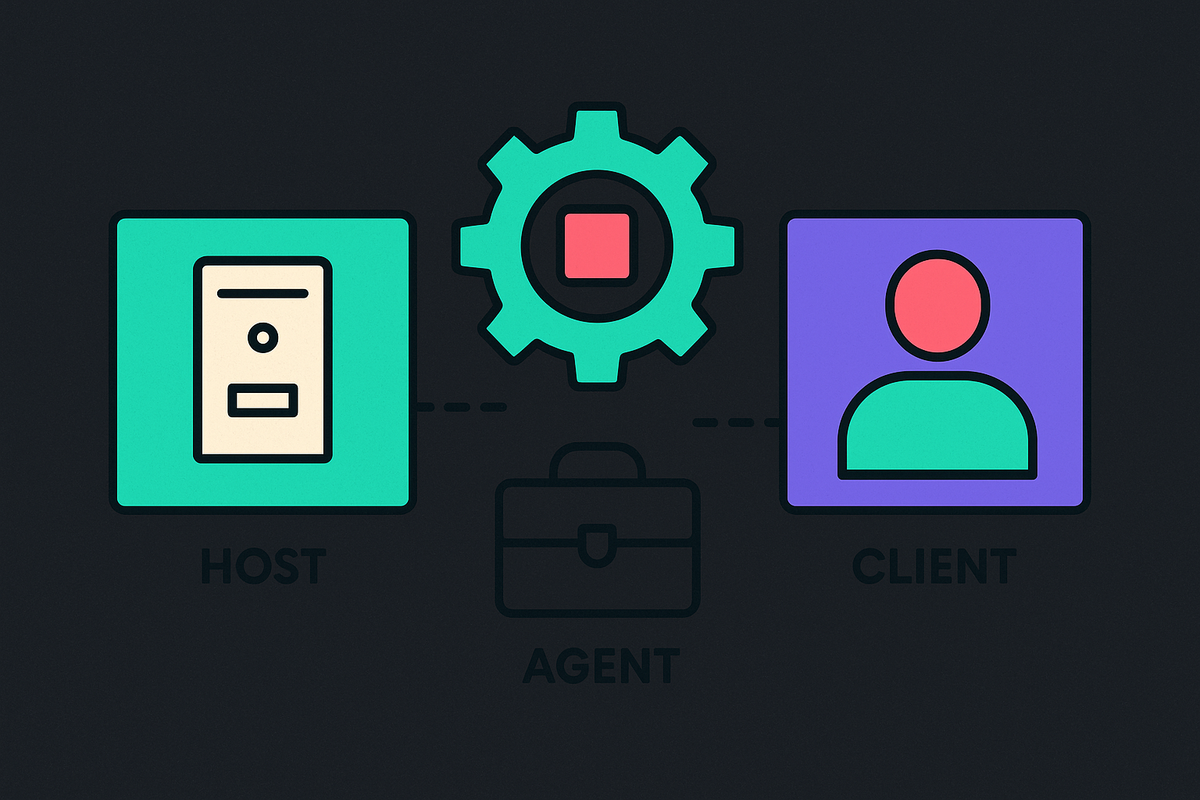
Mixing up host and client roles in MCP creates security gaps in production.
Native compatibility solves tool integration, but authentication and transport gaps remain.
Agents juggling multiple roles create governance gaps MCP doesn't solve.